High Authority Websites for Backlinks: Smart SEO Hacks
You’re chasing the backlinks that are actually holding back your website?. Many businesses only focus on the DR of a website and take links from non-index pages, which are never indexed and do not give any authority or rankings. Modern AI SEO focuses on the quality that is earned from trusted, relevant, and authentic sources that Google genuinely values.
This is where high authority websites for backlinks become the game-changer. When you use those backlinks strategically, this helps strengthen website credibility, improve organic visibility, and increase referral traffic.
However, not every DA website is worth your efforts. A single link from the 70+ site is equal to 10-20 links from a 30-40 DA website. But only if they pass authority and trust. You earn backlinks from websites with high domain authority only when you write linkable assets with statistics and research. In this guide, I explain to you how to identify the authorized website for the backlinks, which is safe and gives you rankings. You’ll get the vetted tier list of high-authority websites for backlinks, which actually passes the equity. I share smart SEO hacks so you can’t waste your efforts on unnecessary sites.
Why “High Authority” Is More Than Just a DA/DR Score
A lot of SEO experts and small businesses treat high authority on the basis of DA and DR, which is defined by the software company. But in reality, it is the reflection of how Google trusts your site to give an answer to any query.
When you solely rely on the “third-party” software to define “high authority,” you waste your time and efforts on the link-building budget or misjudge a competitor. DA/DR is a useful metric, but it can’t define the authority of a website; it is narrow in scope, lagging, and narrow in scope.
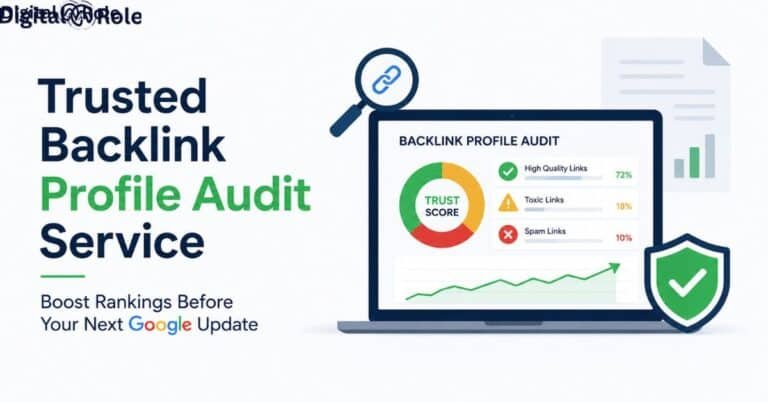
Ultimately, a high-authority website solves user intent so well that Google has no choice but to reward it with visibility and rankings. Many agencies give backlink profile audit services, so if you avail it, recheck the authority of a website, except for DA/DR.
So, here I share the authority checklist, which helps you to clearly determine the website authority score before building the backlinks.
The Proxy Score is not the ultimate measure but rather the basis to make a first cut when considering a site, either for competitive analysis or for a guest posting or partnership opportunity:
- DA/DR (Use as a starting filter only, not the final decision).
- Creates a history of backlinks. Positive organic traffic has increased over the past 6-12 months.
- Ensures that Google is currently trustworthy and indexing the site’s content.
- Topical Fit: 70% or more of the content of the site is related to your industry/niche.
- Checks that the link carries the appropriate contextual information.
- Outbound links are good links out of the site, and there are no unchecked or obvious sponsored posts. Safeguards you from being assigned to a negative link neighborhood.
You will out-optimize anyone who strictly uses a dashboard score by concentrating on real traffic, topical alignment, and a clean digital footprint.
The Difference Between a High-Metric Site and a Trusted Site
If the link is on a noindexed page, then a DR 80 score is irrelevant. For years, vendors have been selling “high authority” links on Forbes contributor profiles and HuffPost. Post guest posts until the latter. Last year, nearly all contributor content was noindexed, eliminating the value of link equity in an instant. The measurement continued to be in the high range. The value hit zero.
It’s for this reason that vetting requires three signals, rather than one: traffic (Is anybody getting traffic to this domain?), relevance (Does it serve your niche?), and editorial standards (Does a real editor approve the content before it goes to publish?) You are just playing a number if you miss any of these.
High Authority Websites for Backlinks: The Vetted Source Tier List
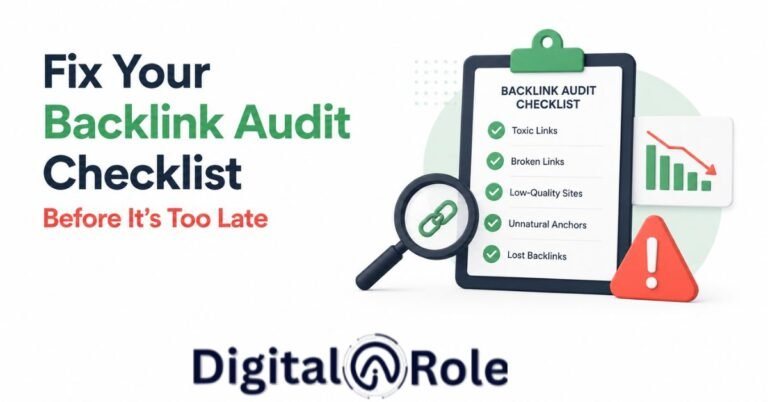
Not all websites are high-authority websites; some sites have bot traffic or paid traffic, not organic. So you analyze them deeply through Google Analytics 4 user behavior and Microsoft Clarity. With bot detector tools, your backlink budget is not wasted, and you easily remove toxic backlinks from your website.
Tier 1 — Institutional & Government Sources (DA 90+)
| Platform | DR/DA Range | Best Strategy | Risk Level |
|---|---|---|---|
| .edu blogs & resource pages | 70–95 | Broken link building, scholarships | Low |
| .gov directories | 80–98 | Niche-specific resources, data citations | Very low |
| Wikipedia | 93 | Become a cited source, not a direct link | Low |
Tier 2 — Premium News, Trade & Media Publications
| Website | DA/DR Range | Best Strategy | Risk Level |
| Inc.com | 92/91 | Contributor program application, expert commentary pitches | Low |
| Entrepreneur.com | 92/91 | Staff-pitched contributor articles, expert quotes | Low |
| Business Insider | 94/92 | Digital PR, data-driven story pitches | Low |
| TechCrunch | 93/92 | Founder/funding news angles, exclusive data, embargoed pitches | Medium (highly selective, no open guest posting) |
| VentureBeat | 91/90 | Sponsored/contributor content, press releases with real news value | Medium |
| Mashable | 93/92 | Trend-based pitches, multimedia content | Low |
| Search Engine Journal | 89/90 | Bylined contributor articles, original SEO research | Low |
| Search Engine Land | 91/90 | Expert columns, conference/event tie-ins | Low |
| HuffPost (Contributor) | 94/90 | Caution: most contributor content is noindexed — verify before pitching | High (low real link equity despite high DA) |
| Forbes Councils | 94/92 | Paid membership model, not standard guest posting | Medium (pay-to-play model draws scrutiny if disclosed poorly) |
Tier 3 — Niche Authority Blogs & Community Platforms
| Website | DA/DR Range | Best Strategy | Risk Level |
| HubSpot Blog | 93/91 | Guest contributor program (highly selective), data partnerships | Low |
| Moz Blog | 91/91 | Original research, “MozCon”-style expert content | Low |
| NerdWallet | 88/90 | Strict YMYL editorial vetting, data citations only | Medium (finance YMYL scrutiny) |
| Healthline (Contributor) | 92/90 | Credentialed medical reviewers only | High (YMYL — only for verified experts) |
| Indie Hackers | 56/81 | Community posts, founder story features | Low |
| Product Hunt | 90/90 | Product launches (referral/branding value, not classic guest post) | Low |
| SaaStr | 72/78 | Guest contributor articles, conference content | Low |
| Bizjournals.com network | 75/85 (varies by region) | Local press releases, regional business news angles | Low |
| Chamber of Commerce blogs | 40/60 (varies widely) | Local business features, community sponsorships | Low |
Tier 4 (Bonus) — Platforms That Pass Indirect Authority
| Platform | DA/DR Range | Best Strategy | Risk Level |
| LinkedIn Articles | 98–99 | Publish thought leadership directly on-platform | Low (nofollow, brand-signal only) |
| Medium | 93–96 | Contribute to an established publication, not your own page | Low |
| Quora | 90–93 | Dofollow link in bio, detailed niche answers | Low |
| 90–93 | Genuine participation in relevant subreddits — no link-dropping | Medium (mods remove promotional links fast) | |
| SlideShare | 88–91 | Repurpose existing content/decks with embedded links | Low |
| Podcast show notes | Varies by show | Guest appearances on niche-relevant podcasts | Low |
How to Earn Backlinks from High Authority and Credible Websites
If you are not willing to pay for the backlinks, then you create content that gets backlinks. When you write content that links to your content on their website for free. Here are the ways you can earn backlinks from high-authority and credible websites.
The “Original Data” Strategy is Your Fastest Way to DR 70+ Links
Journalists and editors connect to statistics pages in the hope that they will have citable, dateable sources, not opinion pieces. In theory, the process is easy: survey your audience, publish the results with the methodology intact, and then entertain your audience with the data set to trade media in your space.
This is because SEO statistics show that “why” posts, “what” posts, and infographics receive 25.8% more backlinks than videos and how-to guides, which proves that content that explains and displays data is much more likely to be cited than content that gives advice. A single original study can be a perpetual magnet for years to come if it’s updated every year.
The Broken Link Building Technique
How to Build Links on High-Authority Sites
The process is simple: Go to Ahrefs Content Explorer, filter by DR 70+, and locate some dead links on relevant pages, creating a new resource and pitching it directly to the page owner.
The number to convert to: Make the pitch about the dead URL you have located, rather than a boilerplate pitch. Average response rate: When it comes to cold email outreach, a 5–10% reply rate and a link acquisition rate of 2–4% are average. If someone guarantees you more numbers on a larger scale, they are probably using spamming techniques that could lead to a manual penalty.
HARO, Connectively, and Expert Sourcing Platforms
When it comes to getting backlinks from high-domain-authority websites, it’s about speed and specificity, not perfection, when it comes to sourcing journalists. Answer within an hour of the query going live, introduce yourself with your credentials, and answer the specific question you were asked, NOT a tangential pitch.
Tools: Connectly (formerly HARO), Featured.com, Qwoted, ResponseSource (UK).
Note: Keep a list of which reporters are covering your answers, and have a lineup of media contacts; repeat relationships typically lead to high-authority media pickups.
The Skyscraper Technique — Updated for 2026
The original idea by Brian Dean remains: identify a successful page, create a better version, and then promote it to all of the people linking to the original page.
However, the 2026 update takes precedence, as the content of skyscrapers does not win anymore. The content has to have a really fresh perspective, be it original data, updated statistics, or an embedded interactive tool they don’t already have on the page.
Do not copy the structure of the other page you are trying to outrank; Google’s quality raters are trained to detect templated content. Place custom visualizations, quotes from experts, and interactive components to boost what practitioners know as “link magnetism,” or the inherent appeal of content that attracts people to link to it without being prompted.
What Kills a Backlink Strategy — Red Flags That Invite Penalties
When building backlinks from high-authority sites, it is easy to fall into common pitfalls. There are some common mistakes that people make when building backlinks from high-authority websites.
Creating backlinks from authoritative sites can be a great way to boost your SEO, but it must be done correctly. There are shortcuts that many website owners will use that will help them achieve temporary results but pose long-term risks to rankings. These are a few common pitfalls that you must avoid to construct a more robust and secure backlink profile that meets Google’s guidelines.
Only looking for DA or DR scores.
While domain authority (DA) and domain rating (DR) are helpful metrics from a third party, they should not be used as the only factor to target for a backlink. Even though a website has a great authority score, if it doesn’t rank or if it doesn’t produce any content about your line of work, don’t worry. Don’t be worried by a high authority score if the site does not rank or if it does not have any of your industry’s content. Rather than focusing on the metrics, consider the site’s relevance, traffic quality, editorial quality, and audience engagement.
Buying Links From Authority Sites
One of the quickest ways to damage your efforts with SEO is to buy backlinks from websites that actually sell links. Google’s algorithms are getting better and better at detecting unnatural linking. Authoritative-sounding links from a site can lead to penalties or loss of rank even if the site is clearly authoritative. Be sure to build editorial links by creating relevant content, using digital PR, and establishing real industry connections.
Ignoring Topical Relevance
Backlinks from a popular website in a niche area can be more valuable as a boost in the SEO rankings than a link from a more popular but less relevant site. Search engines use contextual signals to know what pages are linked and what their relationship is. If you’re creating backlinks from credible, high-authority sites, then you should look for sites that are related to your niche and target audience.
Over-Optimizing Anchor Text
If you repeat the same anchor text, using the same keywords over and over, it may seem like you’re trying to manipulate your backlink profile. There is a variety of branded anchors, generic phrases, URL anchors, and contextual keyword variations in natural link profiles. It’s important to diversify the anchor text to make sure you have a natural linking profile and don’t risk facing algorithmic filters.
Constructing links rapidly.
If a website experiences a sudden increase in the number of links coming in, it may trigger suspicion, particularly in the case of newer sites. The key to sustainable SEO success is to build links over a longer period of time, not within a short timeframe. Prioritize producing good-quality content and establishing relationships to ensure a steady stream of natural, authoritative backlinks.
Quick Reference — How to Vet Any Site Before Pursuing a Link
Use this 5-point checklist before pursuing backlinks from high-authority websites:
| Checkpoint | What to Look For | Tool |
| 1. Organic Traffic | 1,000+ monthly visits minimum | Ahrefs/Semrush |
| 2. Traffic Trend | Stable or growing—not declining | Ahrefs Site Explorer |
| 3. Link Profile | No sudden link spikes; diverse referring domains | Majestic |
| 4. Content Quality | Real editorial standards, author bios, cited sources | Manual review |
| 5. Topical Relevance | Same niche or overlapping audience | Common sense |
Conclusion—make links that last, not links that spike.
The one mistake that everybody makes in modern-day link building is chasing metrics without vetting sites. The DR score gives you very little information as to whether a link will pass or fail; it is important to know whether a site has real traffic, real editorial quality, and real relevance to your niche.
The pattern will keep repeating itself: high-authority websites for backlinks only bring value if they meet the three-signal check. If the page in question is noindexed, then backlinks from high-DA websites are worthless. The backlinks from high-authority websites are best if they are acquired organically, not purchased. The reason that backlinks from high-authority and credible websites benefit more with the passage of time is that they do not get removed when there is a spam update. Whether they’re in the top tier from the big institutions or the bottom tier from the tiny niche blogs, all of these backlinks have to abide by one rule: will a human editor put the link there on its own?
Use 1 layer. Develop one strategy: original content, broken link building, or digital PR. Make sure to audit before scaling. With that kind of a backlink profile, it does not have to collapse when the next algorithm update rolls around; it has the potential to grow.