Step-by-Step Guide to Get High-Quality Dofollow Backlinks Naturally
You think about how Google gives authority to your website. No doubt there is a huge list, but high-quality do-follow backlinks are the main reason for a website’s high authority with search engines. Quality backlinks remain the backbone of SEO in 2026. Google still considers backlinks a sign of authority, trust, and relevance.
High-quality backlinks are links from reputable websites that pass authority and organic traffic to your website. Not all backlinks are created equally. The one that carry the most weight are dofollow backlinks, which act like a digital “vote of confidence,” boosting visibility and ranking. These backlinks directly influence search engine rankings, drive targeted traffic, and help establish credibility in your niche.
The best backlinks are the ones you earn in your industry-relevant niche; for example, a fashion blog can’t accept a link from a tech blog; that is a spammy backlink. This type of link harms the website instead of helping it rank.
Many marketers and SEO people worry about whether they should buy backlinks or naturally build backlinks. While buying backlinks is a shortcut, naturally earning backlinks is a sustainable way to achieve SEO success and boost rankings. The best backlinks are those built in a relevant niche that convey authority, credibility, trust, and relevance.
Understanding DO-follow backlinks
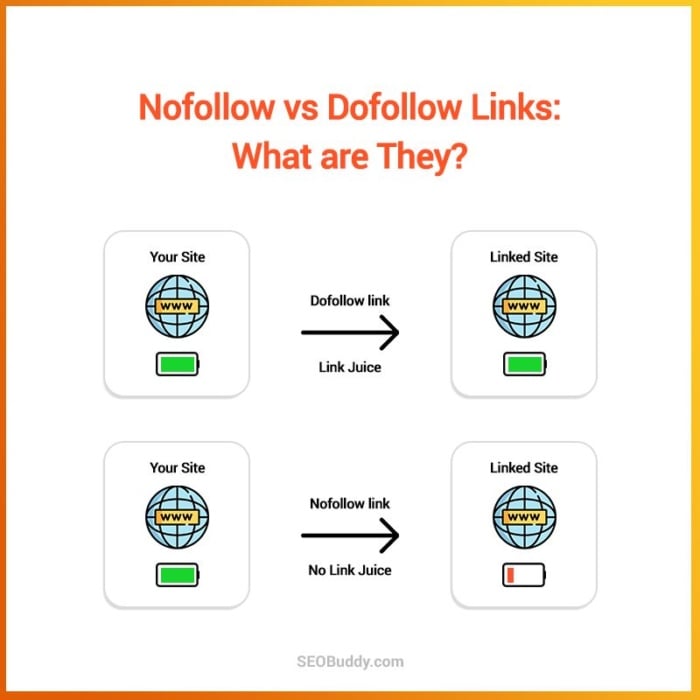
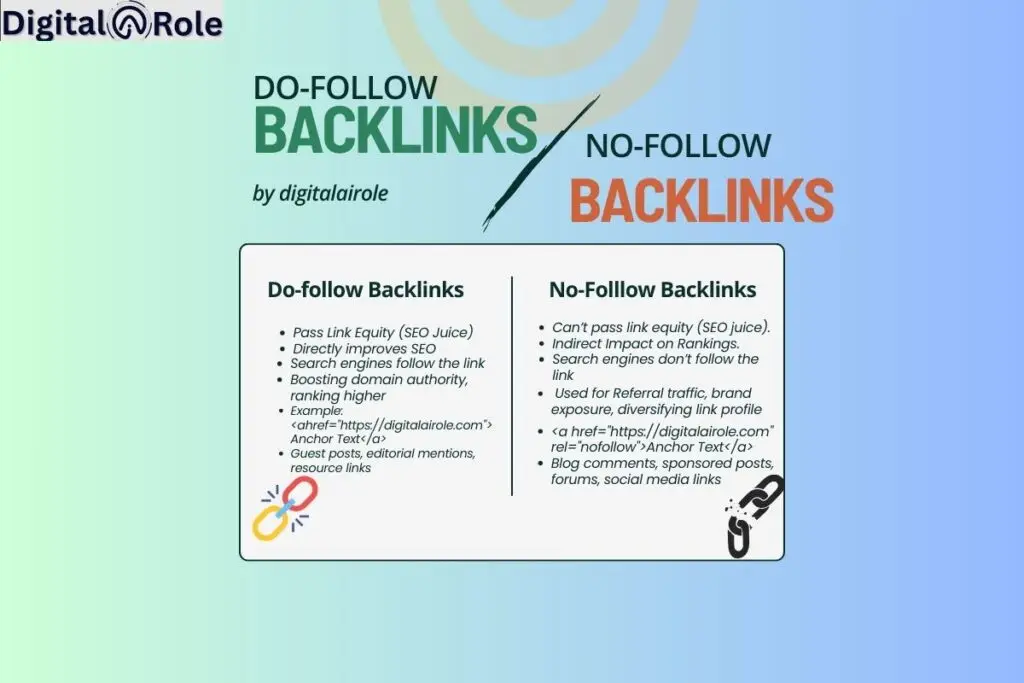
Do-follow backlinks are the hyperlinks that allow search engines to follow them and transfer the ranking authority from the referring to the destination website. It is also known as “Link juice,” which transfers the referring website’s authority to your site. Take an example of an authority website that links to your web page with a do-follow link; it signals to Google that your website content is trustworthy and relevant.
No-follow backlinks contain the attribute “rel=nofollow”; this means search engines do not transfer any ranking to the website, but visitors visit the website, and it gains organic traffic.
A high-authority website has 40+ DA, 10,000 monthly visitors, and 30+ DA. When this high-authority website, which is relevant to the niche, has relevant anchor text on which your website link is placed. All website owners and backlink experts need to focus on do-follow links because they serve as powerful endorsements that help your site rank higher in SERPs.In fact, many SEO professionals agree that the best backlinks are those placed naturally with relevant and authoritative content, so Google can’t see it as spam and give you SEO ranking and real user engagement.
Characteristics of High-Quality Dofollow Backlinks
Not all backlinks are quality because Google values naturally placed links on high-authority websites. A single editorial backlink from an authority website works better than dozens of backlinks from relevant websites. So this helpful guide on quality backlinks for beginners is essential.
What makes high-quality do-follow backlinks?
- Backlinks that come from a relevant website make a higher impact than backlinks from an irrelevant niche. For example, an SEO blog has more benefit from backlinks than a fashion blog.
- Editorial backlinks that are added to improve the reader value have more weight than those added solely for SEO.
- Anchor text is used naturally in the sentence. An over-optimized backlink profile can appear unnatural and cause your blog to be subjected to penalties from search engines.
- Includes a link from an authoritative website. Avoid relying on domain authority. Consider sites that have authentic natural traffic, relevant content, and a solid stature in your niche.
- Generates referral traffic; a great backlink not only boosts your visibility, but it also drives in traffic from relevant people who are interested in your work.
Why do High-quality do-follow backlinks matter in SEO?

In 2026, Google’s ranking system prioritizes EEAT—Experience, Expertise, Authoritativeness, and Trustworthiness.
Experience: Gain links from sites that give references to original data, case studies, and tools. This indicates that you not only write but also have experience in this field.
Expertise: Build citations in your industry publication so your brand voice is recognized, and everyone trusts you.
Authoritativeness: A small number of links from high-DA sites carry more weight than a dozen links from low-quality sites.
Trustworthiness: Build a natural backlink profile that works over time and fulfills editorial decisions. When you build trust, competitors never beat your rankings.
Backlinks are in the limelight in this framework since they are signals of credibility—the more powerful and topical the connecting site, the stronger the signal of trustworthiness for your content.
Caught up in this, however, is the truth many beginners forget: quality always counts more than quantity. It may be much more valuable to have a single backlink to a reputable site, such as HubSpot or Forbes, than 50 backlinks to random low-authority blogs. Not only do backlinks pass along link popularity, but they also help you reach audiences that are truly interested in your niche.
This gives marketers and guest posters a roadmap. The link-building strategy should not be an attempt at producing several links. Rather, it ought to prioritise the best backlinks, the ones that are contextually placed in high-value content and are published on existing sites with good reputations.
Consider a guest post in one of the most popular blogs in the industry. That one dofollow backlink may not only increase your domain strength but also enhance your organic position and the flow of consistent referral traffic. For example, when a clothing online store takes a dofollow backlink from a fashion blog, it automatically improves the search ranking on Shopify, which gives you high authority. As a rule of thumb, as a guest poster, you should aim to attract the most desirable backlinks that will deliver the best SEO outcomes and genuine user engagement.
A real case study
A fashion boutique owner approached my team to discuss their e-commerce website. We highlighted the low loops and worked on them. We earned dofollow backlinks from high-authority fashion blogs through genius product collaboration and guest editorials rather than paid placements.
| Metric | Before | After 90 Days |
| Referral traffic from the fashion blog | 0 | 1,850 visits |
| Branded search volume | Baseline | +22% |
| Product page ranking (target keyword) | Page 3 | Page 1, position 6 |
So, this confirms that, without paying, you can build authority backlinks with topically relevant, editorial-earned links, which routinely outperform a batch of unrelated directory submissions.
Step-by-step guide to get high-quality Dofollow Backlinks naturally
High-quality do-follow backlinks act like a game changer when your site ranks on Google’s 4th page to 1 SERP. Building backlinks is compulsory because, without this, building authority is difficult. Here, I provide a step-by-step guide on building dofollow backlinks naturally.
1. Write link-worthy Content

Natural backlinks are based on content that is worth linking to. Marketers often do not recognise the extent to which original research, case studies, or in-depth guides can attract organic backlinks. Likewise, publishing an industry report or infographic can help your site become a reference. Bloggers and journalists will refer to you as a credible source, and even your competitors will do it by default.
ExpertTip
Use a mix of evergreen content (guides, tutorials) and data-driven posts to maximize long-term backlink potential.
2. Guest post on Authority sites
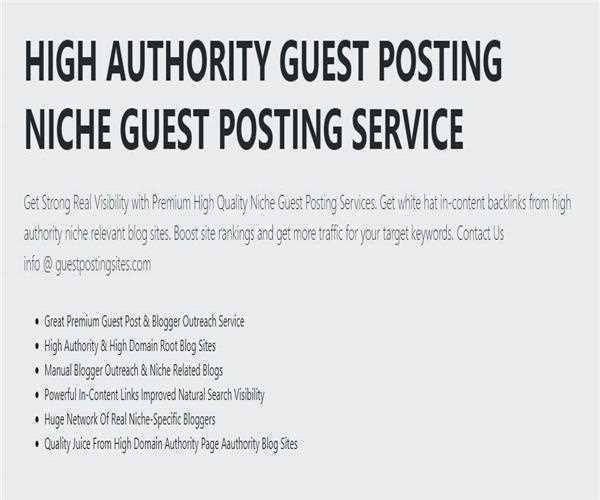
Guest posting is still considered one of the most effective techniques for obtaining dofollow backlinks. The impact of adding high-quality content to well-known blogs in your niche includes increased exposure, credibility, and a backlink from a trusted domain.
Begin by listing websites that accept guest post blogs. Write this: ” Become a contributor + SEO.com in the Google search bar, including niche blogs, SaaS products, or industry magazines. Write in a persuasive tone to show that you know what you are talking about and that your article is useful for the audience.
Use keywords relevant to the niche and the article. Use anchor text that is relevant to your website, which Google gives authority.
3. Skyscraper Technique
The skyscraper technique is a successful link-building method in which you produce better content than the ones that rank and get links from them. “61% of SEO specialists believe the skyscraper technique still works, but its outreach success has dropped 1-3% for many practitioners.”
Rather than creating something new, you refine an already successful article and provide another resource for people to turn to.
Step 1: Identify Popular Content.
Find articles with hundreds of backlinks using tools such as Ahrefs or Semrush.
Search for content that:
- Is highly visible on Google.
- Has lots of link-building domains.
- Addresses a subject that is interesting to your audience.
- These pages have already shown that there is a demand for this topic.
Step 2: Make something better
Don’t copy the existing article. Refine it, make it more useful.
You can:
- Add updated statistics.
- Include real examples.
- Create comparison tables.
- Include pictures and screenshots.
- Provide answers to common questions.
- Provide templates or checklists.
The aim is to provide the most comprehensive resource on the subject.
Step 3: Connect with Websites Linking to the Original Content
After publishing your improved guide, find websites that link to the older article and let them know you’ve created a more up-to-date resource.
Don’t be promotional but stay helpful in your outreach. Give reasons why your guide adds value to its readers.
Example
Suppose that a competitor has an article with the title:
50 AI SEO Tools
You publish:
AI SEO Tools 2026: A complete list of 150 AI SEO tools blog posts, including reviews, screenshots, videos, comparison tables, and free AI SEO tools.
Your article would be less likely to be linked to by websites seeking the best resources than the older article would be, as your guide is more extensive and up-to-date.
4. Link insertion in your Niche
The process is very simple:
- Look for articles that are already ranking for your content topics around you.
- See if your guide provides any additional value added to that article.
- Talk to the website owner/editor.
- Recommend your resource as a valuable resource—not a link to promote it.
- When the content actually enhances the article, the editors will be more inclined to publish it.
The advantages of Link Insertions are
Quicker results
The page is already indexed and possibly already in the search engine results.
Relevant links
Your link is embedded into relevant content, making it more valuable.
Better conversion potential
People who read content that is related to your site are more likely to click on your link.
Best Practices
- Only focus on websites that are related to your niche.
- Tailor each outreach email for the individual.
- Don’t recommend a resource unless it provides added value.
- Offer them links, but develop a relationship with editors that goes beyond this.
Expert Advice
Do not purchase any niche edits that are sold cheaply from the link sellers or private blog networks. Too many spammy link insertions can hurt your backlink profile and, in the long run, may negatively impact search rankings. Highlight links that editors have approved for readers.
5. Develop Relations with Influencers and Marketers
Building links does not happen solely through outreach; it is about building relationships. The connections with influencers, editors, and other marketers can open up opportunities for organic mentions and backlinks. Discuss their content on LinkedIn, comment thoroughly, and provide insights before asking for a backlink.
The more these connections find what you have to say of real value, the more they will be inclined to cite it in their articles, podcasts, or newsletters.
6. Take advantage of HARO and Digital PR
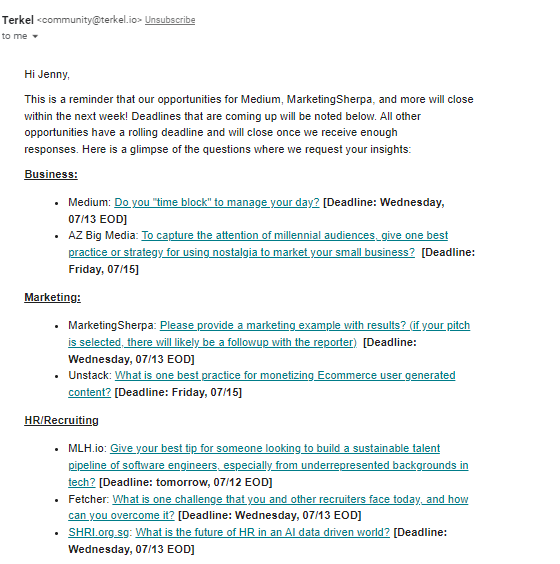
There are websites such as Help a Reporter Out (HARO) and Qwoted that will enable you to work with reporters seeking out expert quotes. Your reply on a useful note can attract a backlink to such media houses as Forbes, Business Insider, or a niche publication, all of which are high-authority websites.
This strategy provides you with some of the best backlinks, as they will be on trusted sites with high DA. For guest posters and marketers, HARO can be a treasure trove if used regularly.
7. Broken Link Building
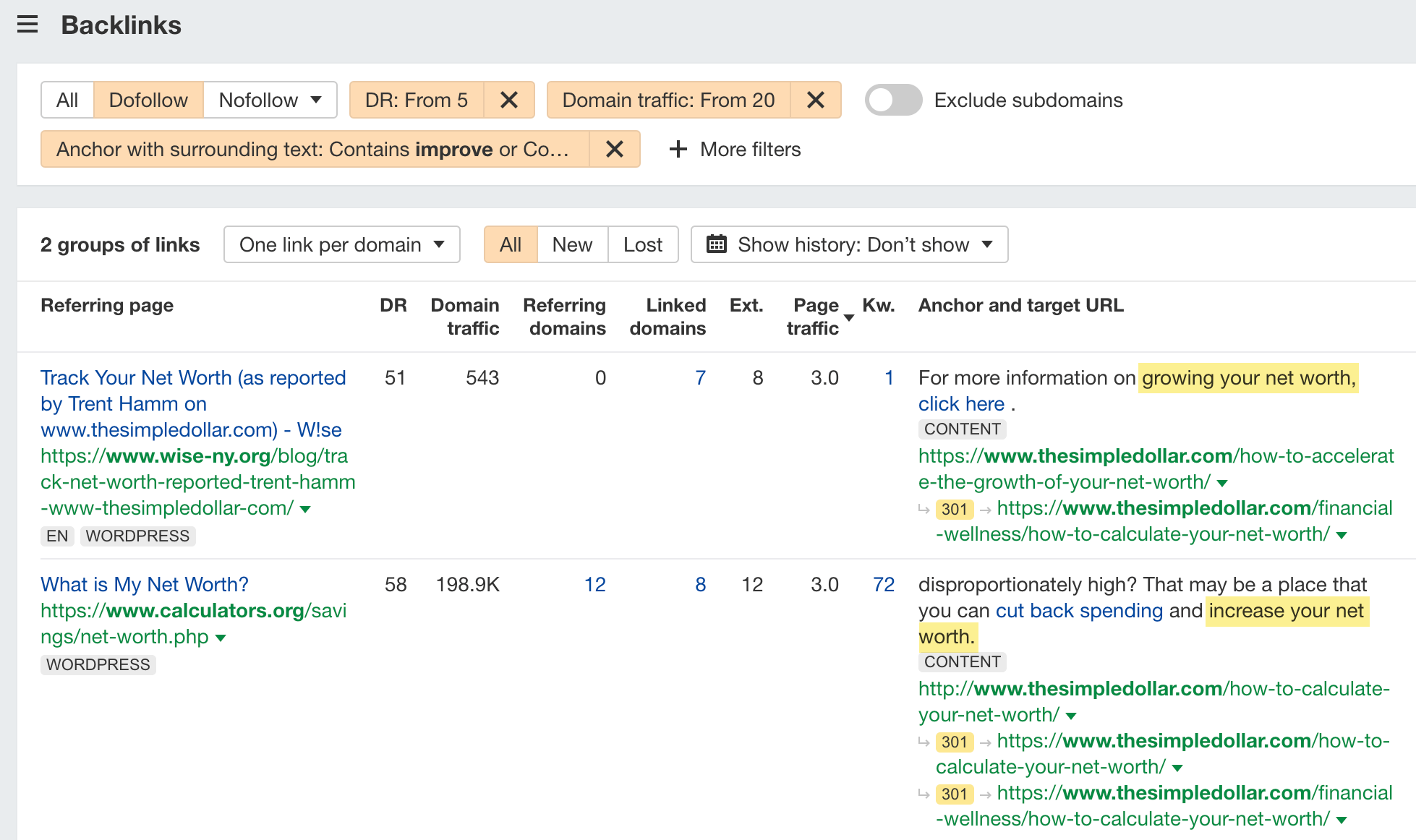
Broken link building is a strategic method to help site owners acquire backlinks. By utilising tools such as Ahrefs, Semrush, or Screaming Frog, you will be able to find broken outbound links on other relevant websites.
Contact the webmaster and inform them about the dead link and propose your content as an alternative. You are solving their problem and, therefore, your success rate goes through the roof. This policy can produce, over time, the natural, high-quality dofollow backlinks without active pitching.
8. Resource Page and Directory Submissions
Most sites of authority have resource pages where useful tools, guides, and references can be found. Include it if your content suits. As an example, an SEO blog may have a page entitled Best SEO Tools, which you could add your resource to.
Likewise, dofollow backlinks can be obtained in niche directories (not spammy link farms). As an example, SaaS startups tend to submit to Product Hunt or G2 directories to gain visibility.
Relevance is the trick: by being listed in directories that match your niche, you can be sure you are acquiring quality backlinks that are trusted by both the search engines and humans.
9. Community/Forum
Backlinks can also be achieved by participating in online communities such as Quora, Reddit, and niche forums. Although a number of these do not require following, there are opportunities to demonstrate expertise and get indirect dofollow opportunities.
An example is a Quora response that a blogger takes and uses as a dofollow backlink to your material. It should always be value first; for instance, spammy links in forums do not work, but authenticity will gain authority and trust.
Common mistakes to avoid when building backlinks
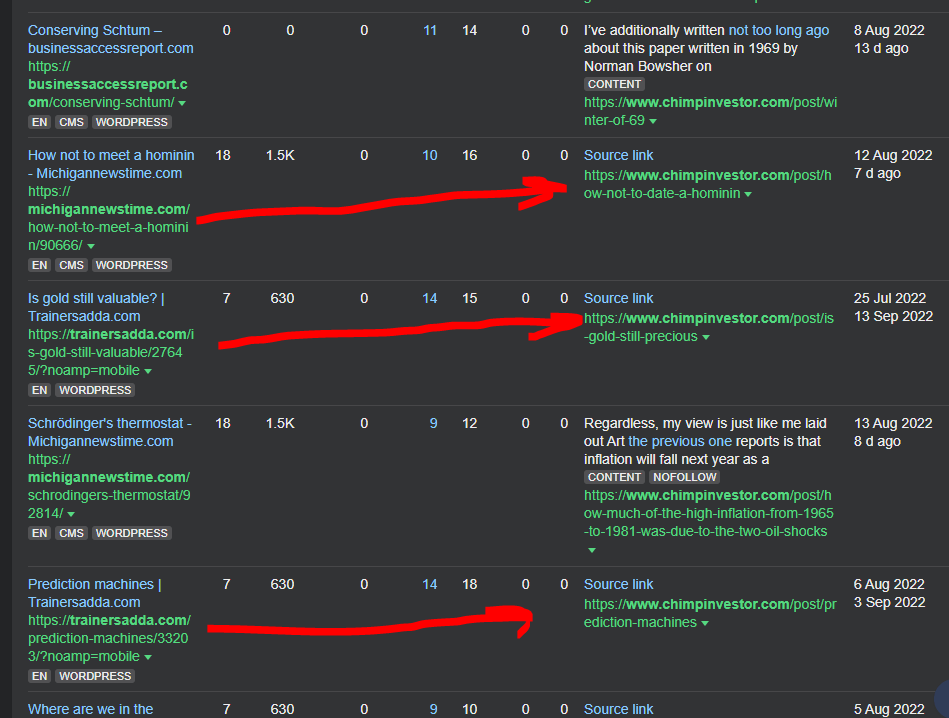
When it comes to building high-quality backlinks, many SEO specialists and guest posters make mistakes that weaken a website’s SEO.
- Buying Spammy Links
- Quick boosts can be provided by paid links on low-quality websites or link farms, but again, this may result in Google penalties.
- Such connections are detrimental to the long-term authority and credibility of your site.
- Over-Optimised Anchor Text
- Repeating the same keyword in backlinks is unnatural.
- Types of mix anchors: branded (name of your company), generic (click here), and long-tail.
- Pursuing Quality over Quantity
- Several weak backlinks will not do any justice to a single, authoritative, relevant site.
- It is essential to seek high-quality dofollow backlinks consistently.
- Ignoring Nofollow Links
- No-follow links can be devoid of link equity, but will provide referral traffic and brand exposure.
- A healthy backlink profile features a balanced mix of dofollow and nofollow links.
By avoiding such errors, you can ensure your backlink strategy is sustainable, efficient, and aligned with Google’s quality criteria.
Conclusion
The summary of the article is that you need quality do-follow backlinks for your website if you want to build authority in the eyes of search engines. Google prioritises the backlinks that are naturally placed, not bought, but sponsored backlinks are marked nofollow, but they transfer the organic traffic. Build a strategy to gain natural backlinks by writing guest posts, reaching out to webmasters, commenting in communities and on forums, taking advantage of PR and HARO, and building strong relationships with other admins, so they give backlinks to your site. Keep in mind, don’t go with a spammy link that harms the website. Instead, go with backlinks that give you authority, and earn them through a high-authority website in your relevant industry. If you have any further queries about backlinks, drop a comment here, and we will help you.