

Launching an online store is easy, but getting traffic and sales is not. That’s the hard part. According to the research at Optimonster, there are 24 million online e-commerce stores. You thought it was difficult to launch an e-commerce Shopify store. However, guess what? SEO for Shopify plays a crucial role in online store competition for capturing customer attention. With the right SEO strategy, you can easily improve search ranking on Shopify.
SEO on Shopify can make a significant difference, as a one-page product brought in consistent sales, whereas a two-page product did not.
You can significantly improve SEO on Shopify by applying clever SEO techniques, which include enhancing user experience, avoiding AI-generated spammy content, optimizing the website for AI-driven results, and creating high-quality content that avoids keyword stuffing and outdated tactics.
By applying these SEO Smart techniques, you can improve your search ranking and deliver a seamless experience, which in turn builds trust with your customers. Suppose you’re a beginner and have recently launched an online store on Shopify, don’t worry, in this Article. In that case, I’ll explain to you the latest SEO techniques that Google has recently prioritized, along with expert recommendations, from which you can easily apply this SEO strategy today and improve your search ranking on Shopify.
Why SEO is crucial for a Shopify Store in 2025?
Are you running a Shopify store in 2025 and struggling to compete with 22 million online shopping stores that sell everything your customers might need? The challenging situation is also because Paid ads are expensive for beginners, and not everyone can afford them. When ads stop, traffic disappears.
That’s where SEO for Shopify becomes your growth weapon. Google’s latest updates are changing the rules. To improve SEO on Shopify, it is essential to understand what Google values most.
- Guide Pages that respond to the actual customer queries and offer true value.
- Focus on Core Web Vitals, which include Site speed, responsiveness, and smooth browsing experiences.
- Mobile-first indexing: Google now places websites that are optimized for mobile devices at the top position.
- AI in search results. Search is becoming increasingly intelligent, and AI generates summaries that place a strong emphasis on trusted and high-quality websites.
This is no longer an option for Shopify store owners, as SEO is the cornerstone of long-term growth. By investing in SEO, you’ll:
- Get natural traffic without necessarily relying on expensive advertisements.
- Establish a strong brand presence and reputation, ensuring you appear every Time someone searches.
- Minimise marketing expenditure and receive a constant inflow of visitors.
If you’re a beginner, then search for digital AI role SEO services, which help you improve your search rankings and increase your ROI.
Step-by-Step Guide to Improve SEO on Shopify
Improving SEO on Shopify may feel frustrating, but breaking down the steps into a clear format gives you a clear understanding of what you are doing. Here, I break down the eSMart SEO techniques to improve search rankings on Shopify.
1. Optimize Shopify Store Structure
Think of your Shopify store as a physical shop. Customers will not stay long when they do not find what they need in a short Time. Google operates similarly — they prefer sites that are uncomplicated and logically arranged.
- Home menu must be easy → Home > Collections > Products. Avoid burying products under too many layers.
- SEO-friendly URLs: ‘store.com/p1234’ would not be a good option, but ‘store.com/eco-friendly-running-shoes’ would be. It’s clear and keyword-rich.
- No duplication of content: When selling the same product in different collections, ensure that there is only one primary product page per product.
- Internal links: Internal links are links between related products and blogs, which will improve user experience. As an example, you have a page on your Yoga Mat page, linking to your blog post: 5 Best Accessories for a Home Workout.
The simpler your structure, the greater the chances are that you will achieve better rankings with Google.
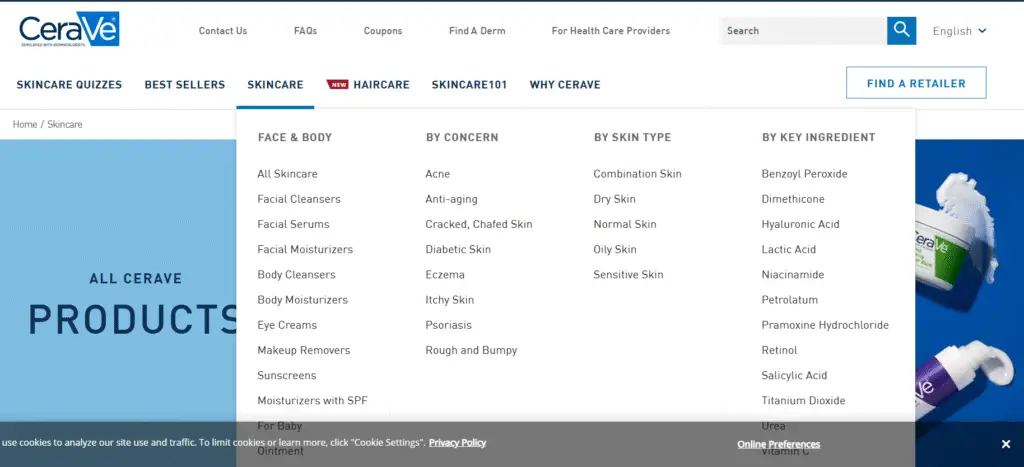
Cerave site structure
2. Improve On-Page SEO for Product Pages
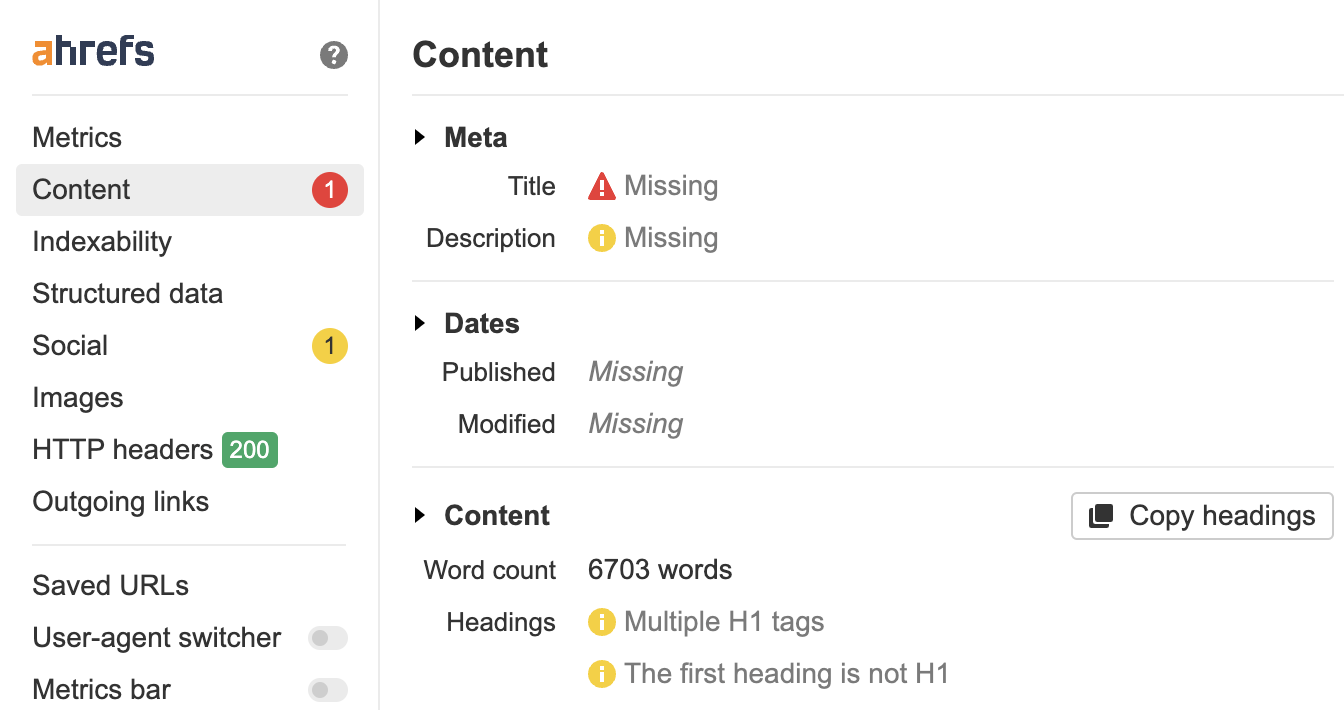
You make sales on your product pages. Unless optimized, you will lose traffic and customers. Optimize the ON-page result to bring more traffic and high revenue from product sales and adsen approval.
Product titles: Add keywords naturally. E.g.: Candle Soy Candle Lavender Scent (hand-made) rather than Candle.
Descriptions: Do not copy manufacturer text: write your own original descriptions. Add features, benefits, and storytelling.
Meta titles/ descriptions: These are what shoppers will see in Google. Example:
Title: “Lavender Soy Candle Handmade & Eco-Friendly – [YourStore name]”
Meta: “Improve your space with our handmade lavender soy candle. Eco-friendly, long-lasting, and perfect for gifts.”
Imagine that meta descriptions are a form of free advertising, and as a result, people will visit your store.
3. Smart Keyword Research for Shopify Stores
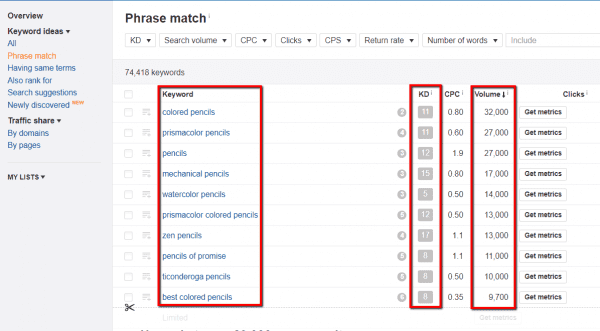
SEO begins by understanding what your customers are looking for. This will become easier by 2025, when Google is expected to utilize AI-driven best keyword tools to achieve it. Use intent-based keywords in your blog post and product descriptions.
Short-tail keywords: Such as general keywords like “running shoes.” High volume but very competitive.
Long-tail keywords: Detailed phrases such as “eco-friendly running shoes for women” and “Shopify.” Lower competition, higher conversion.
Buying intent and browsing intent. An informational one is the keyword, such as types of candles, and a purchase-oriented one is buy handmade lavender soy candle. Focus on them both, though priorities are given to the intent to purchase.
Example: Don’t use a query as simple as ‘Shopify shoes store’; instead, use a query like ‘best waterproof running shoes for beginners on Shopify’.
4. Enhance Mobile and Page Speed Performance
Today, over 70% of online shopping happens on mobile devices. This is the reason Google indexes so mobile-first that your mobile site counts more than your desktop site.
- Select light themes that are fast.
- Remove unused apps – every additional app slows down your store.
- Compress images with Shopify apps or tools like TinyIMG.
- Test your site speed with Google PageSpeed Insights and follow the recommendations.
A 1-second delay in the page’s opening can result in a 7 percent reduction in conversions. Speed = sales.
5. Use Schema Markup and Rich Snippet
Schema markup is an element that helps Google understand your store’s content.
- Add schema for products, reviews, pricing, and availability.
- Embellished snippets will distinguish your listings: ratings, Price, “In Stock.
- Install applications such as Smart SEO to apply schema automatically.
Imagine two results in Google:
“Handmade Candle – $25” (plain text), no reviews or customer comments.
“ 4.9 | Handmade Lavender Soy Candle | $25 | In Stock” (rich snippet)
Which one would you click? Exactly.
Obviously, a high-rated product with positive comments from customers.
6. Improve Search Ranking on Shopify with High-Quality Content
With the Google Helpful Content Update (2025), the content gains more significance than ever before.
Blogging: Write product guides, comparisons, and tutorials. Sample: Soy Candles versus Paraffin Candles – Which is best?
Be authentic: To ensure that AI tools produce the desired outcome, it is necessary to use AI-generated ideas and edit them by humans to verify the tone and credibility.
Content strategy: Align blog posts with your products. Your candles, skincare products, or teas can be connected with a blog on the subject of the Best Self-Care Routines.
High-quality content = trust + better rankings.
7. Optimize Images and Visual SEO
Shoppers prefer pictures, but when not optimized, they may slug your site.
ALT tags: Use descriptive keywords, such as “eco-friendly lavender soy candle in glass jar.”
Compressed picture: Photos saved in the WebP format, which reduces size without compromising quality.
Lifestyle Photographs: Demonstrate how to use your product effectively. An image of a person taking a rest with your candle is a story and enhances interaction.
Although search engines cannot see your images, they can read them, even with the help of the ALT tags.
8. Build Authority with Backlinks
The backlinks are your store’s votes of confidence. Google trusts you more the more quality sites that associate with you.
- Write an Author guest post for your niche-relevant blog or store.
- Incorporate Influencer Collaborations to get Product Reviews and Mentions.
- Use Shopify community forums and app directories, which are Excellent for obtaining natural backlinks.
Example A: A handmade jewelry store featured in one of the 10 Best Etsy Alternatives articles provides an instant shot of authority.
9. Leverage Shopify SEO Apps and Tools
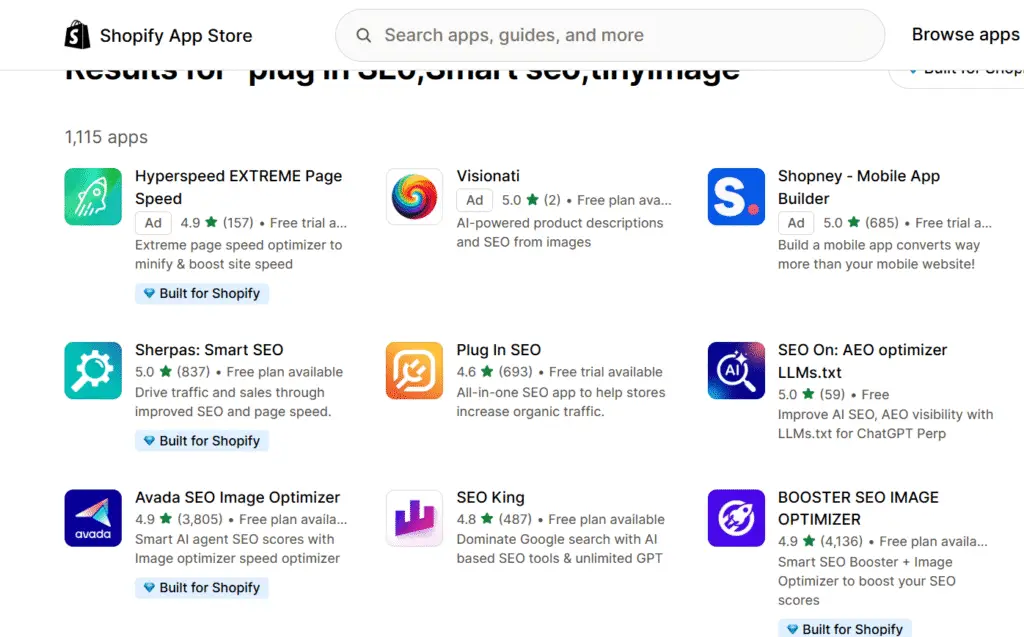
You don’t need to do everything by yourself – Shopify is equipped with strong SEO apps.
Plug in SEO – Identifies site-wide issues.
Smart SEO – Intelligently automates meta tags and schema.
TinyIMG: This compresses images and provides ALT text.
There should be a balance: Results should always be customized, and Apps save Time. A generic description of its meta will not achieve the same conversion rate as a personalized description of its meta does.
10. Track, Measure, and Continuously Improve SEO
SEO isn’t “set it and forget it.” It has to be monitored and adjusted.
Google Search Console: Check indexing and keyword performance.
Google Analytics 4: Track user behavior, conversions, and sales.
Shopify Analytics: View trusted traffic and the products that generate revenue.
Key metrics to pay attention to: Exclude traffic CTR, organic traffic, bounce rate, and conversion rate.
Example: In the case of a post where the blog clicks are not turning to sales, add more vigorous product-related links or CTAs.
Using these 10 steps, you will not only resolve the SEO issues on Shopify but also optimize your store to run more efficiently, load quickly, and consistently attract new customers without relying solely on paid advertising.
Google’s 2025 SEO Recommendation for Shopify Stores
SEO isn’t just about the ranking; you have to prepare for the future in search. In 2025, Google algorithm updates are designed to focus on EEAT, AI-generated results, and filtering low-quality content. As a Shopify owner, adapting these things earlier gives you a competitive edge and helps you easily improve your search ranking on Shopify.
1. AI-generated results and Rise of SGE
Google has unveiled the Search Generative Experience (SGE), an artificial intelligence-driven feature that provides conversational search results in a concise format. No longer does Google display 10 links in blue, but the search engine summarizes and identifies the most vital results.
What this means for Shopify:
When your product descriptions, blogs, and FAQs are readable, thorough, and truly useful, Google AI will have a higher probability of scraping content off your store into these AI-generated snippets.
Attention optimization to customer inquiries on your site. Example: Suppose you are selling skincare products. Write a blog post, such as ‘What is the best moisturizer to apply to sensitive skin?’ An answer (need to be elaborated) that Google can extract.
Smart Trick: Conversational keywords add keywords like how, what, best, and where to buy to keep search results easier to commit to memory by 2025 (that is how search engine users expect to search).
2. Prioritize EEAT (Experience, Expertise, Authoritativeness, Trustworthiness)
Google is not only measuring what you say; it’s also why shoppers should trust you. This is called EEAT.
Experience: Share real stories. Examples: If you sell homemade candles, post your process, photos, or a scene of your work.
Experience: Produce detailed documentation of your products. Example: “A Complete Guide to Choosing Eco-Friendly Candles.”
Authoritativeness: Have other trusted sites in your niche. State you.
Trustworthiness: Enhance your Shopify store by adding customer reviews, clear return policies, and secure checkout badges.
The more signals of trust you manage to give, the better Google will rank your search on Shopify and will reward you with a better visibility ranking.
3. Sustainability, Brand Storytelling, and User-First Content
Another Google reward is slated for 2025 for brands that authentically communicate with users. It is more than just keywords – it is about storytelling.
- Sustainability
Eco-friendly procedures (such as recyclable packaging) can help make your store unique. Mention them in product descriptions and About Us pages.
- Storytelling around the brand
Rather than simply explaining what you do, like that you sell clothes, tell the story of why you created the fashion line, and that you want to provide affordable, eco-friendly fashion that could be accessible to all.
- User-first content
Don’t write algorithmic content; write content that fulfills customer needs. Example: Add size guides, FAQs, and care tips directly on product pages.
Once they identify with the values of your brand, the shoppers will be willing to wait longer, make more purchases, and refer people to your store. That enhanced interaction is what Google actually values at the Time of operations of ranking stores.
Conclusion
In this Article, I explain how you can improve search rankings on Shopify using clever SEO techniques. An online store is not just about listing products and running PPC ads; it becomes visible when you apply the best Shopify SEO, which improves SEO, attracts customers, and increases sales. Intelligent SEO techniques for improving search rankings on Shopify include optimizing the site structure, incorporating intent-based keywords, optimizing for ON-page products, enhancing mobile speed, building authority through backlinks, and monitoring SEO progress. Additionally, include the Google-recommended SEO strategy: write high-quality content, prioritize EEAT, focus on AI-generated results, and tailor your content around them.