
Brand deals and polished photos aren’t the only aspects of influencer marketing; it’s about people, stories, and trust. And there is no better evidence of this than the case of a small skincare brand that occurred earlier this year.
A small, unestablished indie skincare brand mailed one PR package to a micro-creator on TikTok in early 2025. They were not anticipating anything significant, something like a brief review.
However, the creator actually fell in love with the product and posted an unfiltered, late-night video on a on-the-nose I HAVE to show you this to her 40,000 followers.
By the next morning:
Their website crashed,
Sales tripled,
The brand sold out in 48 hours,
And they had recruited more followers on a single day than in the last six months.
No ads.
No big campaigns.
Only one artist who tells a sincere tale to her community. It is the actual power of influencer marketing in 2025 because it is human. It feels relatable. And it works.
With viewers placing more trust in creators than in conventional advertisements, influencer marketing strategy has become an essential growth driver for brands of all sizes. We should discuss its success and how the creator-driven, modern world offers brands new opportunities to build trust, presence, and customer relationships that have never existed before.
Why Influencer Marketing Really Means in 2025?
Influencer marketing is the practice of enlisting creators who are trusted and influential within a particular community. Influencers affect people in the same way a traditional advertisement thrusts a message on everyone; their interactions are personal, relatable, and native to a platform.
There are certain types of Influencers (Reworked in 2025).
1. Nano Influencers (1K -10K followers)
- Highly involved social communities are ideal for hyper-niche campaigns.
- Economical partnerships (10-100 budget per post).
- Trusted like real friends.
2. Micro Influencers (10K-100K followers)
- Vigorous involvement and subject matter knowledge.
- Optimal equilibrium of reach + authenticity.
- Easy to use in product reviews, tutorials, and storytelling.
3. Macro Influencers (100K-1M followers)
- Extensive coverage with fanbases.
- Good on brand recognition and product introductions.
4. Mega Influencers (1M+ subscribers)
- Celebrity-level impact.
- Higher visibility, but lower intimacy than micros and nanos.
Today, influencers are not only hired for their large followings; they are also sought for their communities, credibility, and cultural awareness.
Why does Influence Marketing work so well?
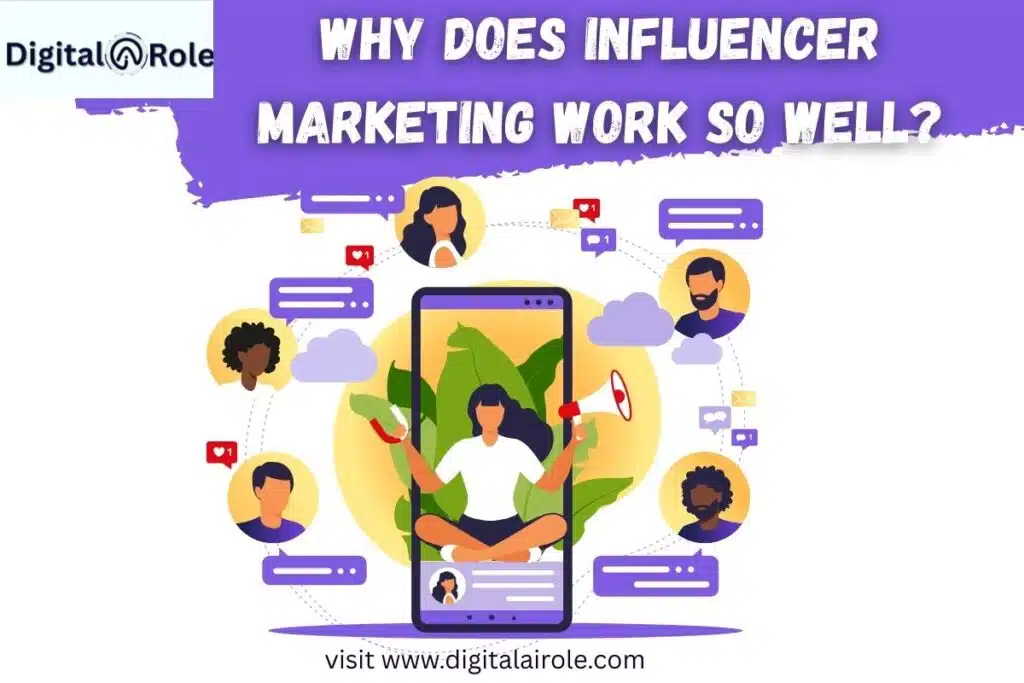
You may wonder how a small business that can’t run massive ads and whose sales are higher than yours can do so. The power of influencer marketing stems from the fact that, in 2025, viewers trust their creators because they recommend products that address their concerns.
1. Influencers Build Trust in a Way Ads Cannot
Consider the last time you made a purchase based on your friend’s recommendation.
Now, a friend has 50,000 dedicated followers for every product tip they share.
That is the heart of influencer marketing.
When the creators talk, they are listened to, not because they are paid to do so, but because they have earned trust over months (or years) of straight talk, anecdotal experience, and day-to-day contact.
In 2025, people don’t want “ads.”
They would like to find the people in real life and use the products as they would.
Artists are just what fills that gap.Check out our article on how to creare engaging content
2. Influencers Have a Wider Reach, Not An Advertisement
One of the fitness creators shares a true story about how she changed her gym shoes, and this is why her knees no longer hurt. She demonstrates her old, the new, the feeling of relief, not a fake shoot, real life.
The immediate reaction of her audience.
- They save the post.
- They share it.
- They tag friends.
- They ask questions.
The brand can tap into thousands of prospective customers without spending a single dollar on ad targeting, because an influencer told a story that people found interesting.
The magic of reaching out through community.
Influencers Memorize Your Brand in Real Life.
3. Individuals recall anecdotes–not mottoes
For Example, a travel creator who was recording her first solo travel with a new luggage brand did not discuss features. She spoke of fear, excitement, self-development… and how having good luggage made her feel safe on her trip.
- The viewers were not only viewing a suitcase but also her metamorphosis.
- That emotional attachment will build brand memory that other ads can’t reach.
4. Influencers Gain Credibility by Experience.
Designers do not simply present products; they narrate the reasons why they consume them.
A foodie influencer does not say, This is a great appliance.
She says I have this blender to make the Sunday smoothie recipe my grandmother used, and it tastes just like I remember.
It is not a blender at all, it is, just to be honest, nostalgia, comfort, and family.
Such an emotional connection develops confidence that goes way beyond what a brand can tell itself.
5. Influencer Marketing is a Cost-Effective ROI with a Storytelling Approach
The reach is not the only factor that makes influencer campaigns very cost-effective — their emotional appeal is another.
In contrast to conventional advertisements, which require payment per impression, influencer content has a longer lifespan, is reposted, and can have a lasting impact on purchase decisions days or weeks after. A single story by the creator can create a prolonged discussion even after the post is published.
One emotional testimonial by a creator can go a long way better than a 5,000-dollar advertisement that addresses the audience rather than relates to them.
Story-based content + Better engagement = Better ROI.
How to develop an Influencer Marketing Strategy for Success in 2025.
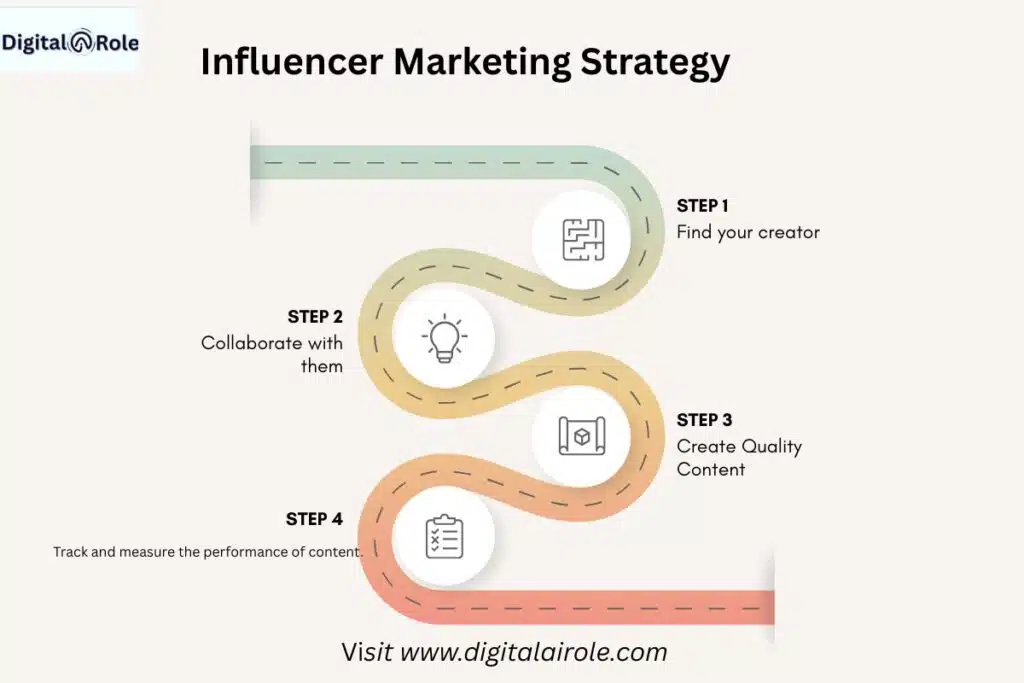
When you start developing your influencer marketing strategy, keep these tips in mind when choosing the right influencer. Start with your product if you have some baby care products, contact influencers who are parents and have babies. Their audience will be more attracted to and more likely to buy your products. Here, I give some essential tips and focus on them.
1. Select What Kind of Influencer You Require
Not every influencer will be a good fit for your brand–even with a massive following. A strong 2025 strategy requires:
- Your product and their audience match is the perfect combination for more sales and product recommendations.
- Select an influencer who shares your values when giving them some changes.
- They have a high engagement rate, so the audience engages with them and also with your product.
- They deliver authentic content in short videos, in a drama style, so it resonates with the audience, and they buy it.
Fake followers, audience sentiment analysis, and predictive performance are also analyzed using AI in tools such as Modash, Grin, Aspire, and CreatorIQ AI.
For example:
A sustainable fashion brand must collaborate with people who genuinely believe in leading an eco-friendly lifestyle, not a person who was paid a single post to do so.
2. Allow Creators to be the Creative Direction
In 2025, audiences hate scripted ads. They desire genuine and pure material.
Give the creator your campaign goals, tell them what you want. What do you deliver? And what type of goals are you pursuing?.
- Discuss with them important talking points which they tell to aueince in the video. You also give them a natural script.
- Tell them the dos and don’ts for more clarity on the products, and also discuss precautions if you have any chemical-based products that react.
- Aware them of your Brand values so they can handle your brand voice, which creates a deep connection between the audience and the brand.
- But leave them to speak their own mind.
This is why Gymshark remains a dominant force in this field — they team up with creators of fitness content who post actual workout plans, progress updates, and stories about their gym, rather than reading a presumably scripted billboard.
3. Take the Right Measures — As a Data-Driven Brand
Brands will measure more than likes in 2025:
- Engagement rate
- Saves & shares
- Story completion rate
- Click-Through Rate (CTR)
- UGC reusability
- Conversion rate
- Customer Lifetime Value (CLV)
- ROI & cost per acquisition
More developed brands are currently monitoring:
- Brand lift
- Sentiment analysis
- Affiliate code redemption
- Post-campaign retention
Apply these lessons to improve future campaigns- replace influencers who are performing poorly, change format, or change platforms.
Conclusion
Influencer marketing has never been fundamentally about algorithms, follower counts, or well-planned campaigns; it has always been about people. That is a fact that is truer than ever in 2025.
Behind all successful collaborations is a legend: a designer passionate about a product, a follower finding something that solves a real problem, a brand that gets into a person’s day-to-day life through sincere association.
Influencer marketing strategy does not simply advertise products; it makes them real.
Their features are turned into emotions, and their ideas are turned into real-life experiences that their audience can identify with. Human touch cannot be fully replicated in any banner advertisement, automated campaign, or artificial intelligence tool.
The successful brands of today are ones that realize this:
- You do not sell content; you are gaining community trust.
- You are collaborating with narrators who influence culture, dictate what people buy, and find emotional connections between your brand and those who require it.
The power of Influencer marketing has been among the most lucrative, genuine, and future-defining approaches as the creator economy continues to grow. The right influencers, persuasive stories, and data-driven execution can help your brand spark conversations, build loyalty, and deliver meaningful, lasting outcomes.
After all, the end of the day is all that marketing can do, so is that with stories.
And today, storyteller number one is influencers.